
Grand format printing has transformed the way organisations communicate, advertise, and create atmosphere across large spaces. When used effectively, it connects audiences through scale, visual energy, and message clarity. From sporting arenas to retail environments and event spaces, it offers endless possibilities for making a memorable impression.
Understanding Grand Format Printing
Grand format printing refers to producing extremely large graphics such as banners, wall wraps, floor decals, and building signage. It focuses on scale, durability, and design impact, using materials that can withstand exposure and maintain colour quality. Whether you are creating branding for an event or visual merchandising for retail, the key advantage lies in visibility and reach.
1. Event Backdrops, Stage and Exhibition Walls
Large printed backdrops create a commanding visual foundation for any event. Whether it is a trade show, conference, or music festival, these backdrops define the environment, unify the theme, and provide photo opportunities for guests. Precision printing ensures brand colours and logos remain sharp and consistent under stage lighting. Modular systems allow quick assembly and storage, making them ideal for travelling exhibitions and repeated use.
2. Banners and Outdoor Signage
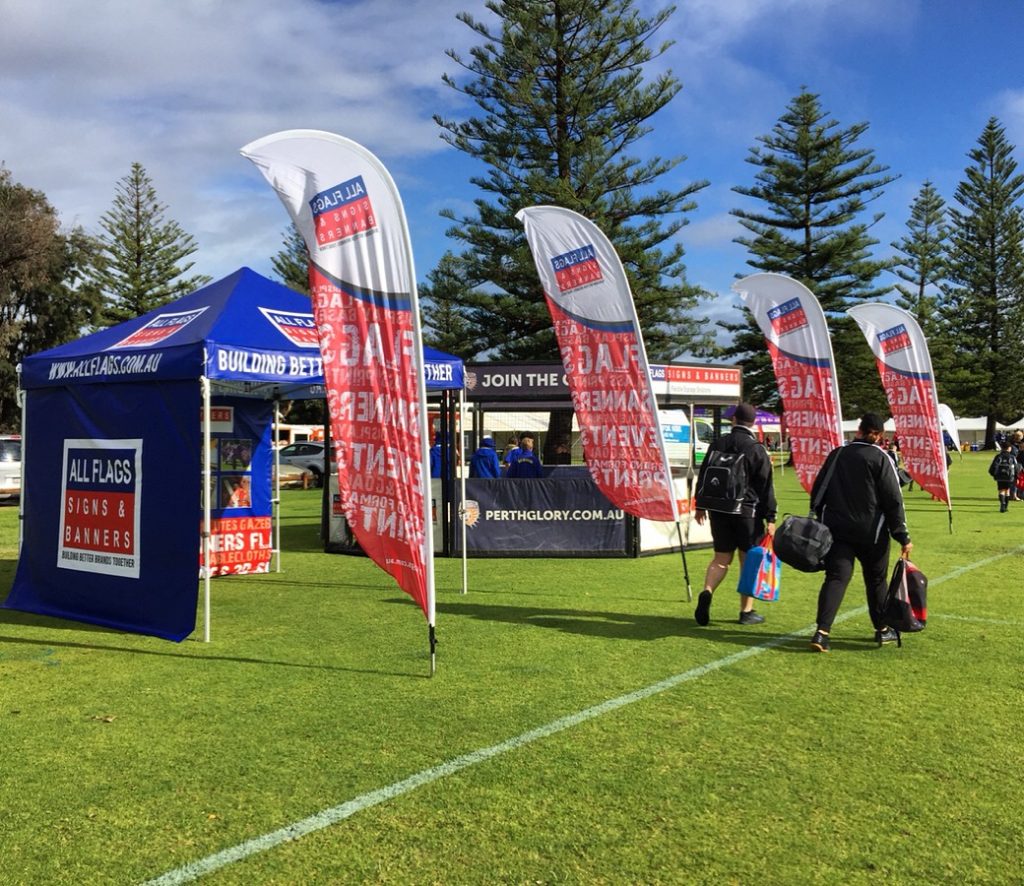
Among the most recognisable applications of grand format printing are outdoor banners. They are perfect for event entrances, promotions, and large-scale sponsorship displays. For sports venues, these banners offer high visibility from long distances and can feature team branding, event details, or sponsor logos. Weather resistance is crucial, so materials such as reinforced vinyl or mesh, combined with UV-resistant inks, deliver strong, lasting results.
3. Surface Wraps for Walls, Floors, and Ceilings
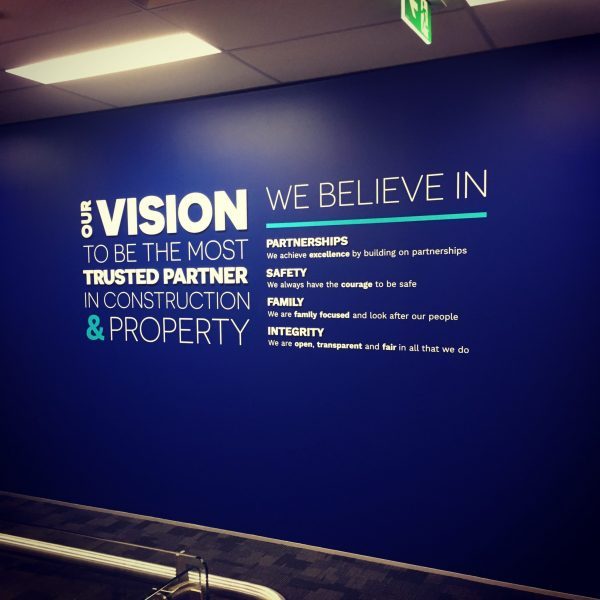
Grand format printing can completely transform spaces through surface wraps. Printed wall murals can turn plain structures into storytelling canvases, while floor graphics can guide visitors or highlight featured zones. Ceiling graphics or suspended prints add vertical depth and balance the environment visually. Each surface requires specific adhesives and coatings to ensure safety, durability, and easy removal once events conclude.
4. Window and Glass Graphics
Large windows provide a natural stage for graphics that engage passers-by. In retail, sports centres, and event venues, printed glass films can convey seasonal promotions or branding themes without blocking natural light. Options include perforated films that allow one-way visibility, translucent materials for soft effects, and opaque graphics for bold designs. Because they can be replaced easily, window graphics are ideal for temporary campaigns or frequently updated promotions.
5. Vehicle and Fleet Wraps
Vehicle wraps are one of the most dynamic ways to use grand format printing. They turn cars, buses, vans, or trucks into moving billboards, allowing your brand to travel wherever the road takes it. For sporting teams, wrapped vehicles extend visibility beyond the venue, while in retail, delivery fleets reinforce brand consistency. Printed on flexible, conformable vinyl, vehicle wraps require weather-resistant lamination and professional installation to maintain smooth, bubble-free surfaces and long-term durability.
6. Point of Purchase and Retail Displays
Inside shops and shopping centres, grand format printing drives engagement where it matters most at the point of purchase. Printed displays, hanging signs, counter panels, and product stands encourage impulse buys and highlight promotions. By matching colours and typography with broader campaign materials, retail graphics maintain cohesive brand presentation. Durability and ease of replacement are essential, as retail environments require quick turnarounds between campaigns.
7. Sports Venue Graphics
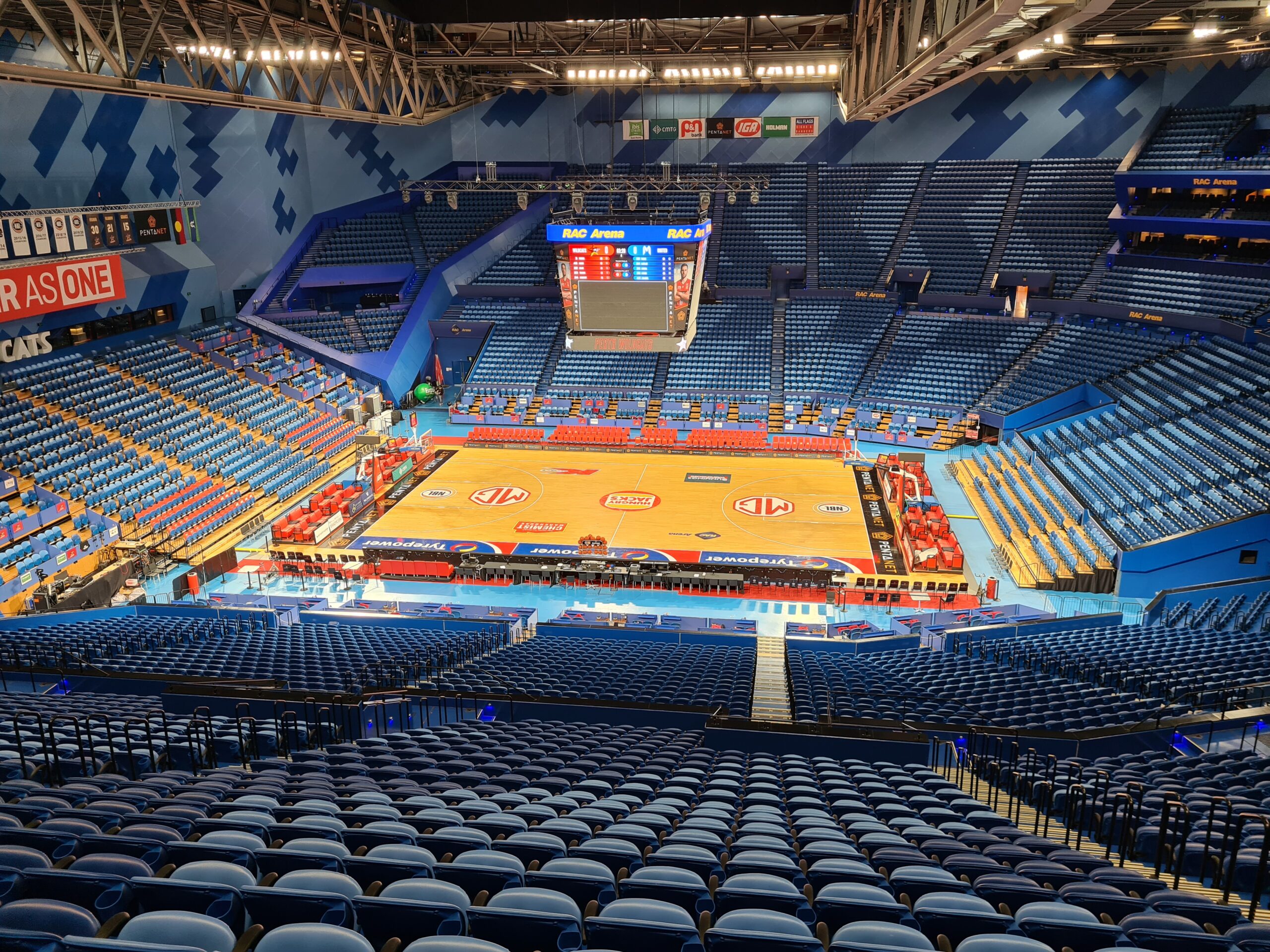
Stadiums, arenas, and community sports grounds depend on large-scale graphics to set the tone. Grand format printing brings these spaces to life with wall murals, crowd banners, player portraits, sponsor boards, and directional signage. Printed mesh and fabric graphics provide ventilation for outdoor use while maintaining visibility for branding. These elements strengthen the spectator experience and showcase team identity while offering valuable space for sponsors and partners.
8. Trade Shows, Conferences, and Exhibitions
Competition for attention in trade halls is intense. Grand format printing gives exhibitors the visual advantage needed to stand out. Booth walls, backdrops, and freestanding panels deliver impact from across the hall, while floor graphics and directional signage help manage visitor flow. A well-designed large-scale print supports brand recall and conveys professionalism before a word is spoken. Lightweight tension fabrics or modular frames make these graphics simple to assemble and reuse across multiple events.
9. Building and Façade Wraps
Few applications are as commanding as wrapping an entire building or stadium façade. Printed mesh banners, architectural coverings, and scaffold wraps turn structural surfaces into massive communication tools. They can advertise events, showcase sponsors, or create anticipation for upcoming openings. In urban or sporting settings, façade wraps can temporarily transform a skyline while protecting ongoing work behind the surface. Materials must be light, strong, and securely fixed to withstand wind and rain.
10. Immersive Environments and Experience Zones
Grand format printing enables designers to create fully immersive environments. Product launches, fan zones, and branded pop-up experiences benefit from printed fabrics, backlit panels, and interactive elements that build atmosphere. Combining wall, floor, and ceiling graphics creates a sense of depth and immersion that makes visitors feel part of the story. This use of large-scale printing connects emotion and memory, encouraging people to engage and share their experiences both in person and online.
Choosing the Right Materials
Every grand format project starts with choosing the correct substrate. Outdoor banners often use heavy-duty vinyl or mesh to handle wind load and UV exposure. Indoor displays can use lighter fabrics, foam boards, or paper-based materials for a softer, more refined look. Adhesives, lamination, and finishing techniques should align with where and how the graphic will be used. Selecting the wrong material can shorten lifespan or reduce colour integrity, especially in harsh conditions.
Print Quality and Colour Management
When designs scale to several metres, detail and colour control become essential. Low-resolution images that look fine on screen may blur or pixelate when enlarged. High-resolution artwork, precise colour calibration, and consistent ink systems guarantee professional results. Checking proofs and testing colours under real lighting conditions prevents surprises once the print is installed. Grand format printing thrives on simplicity and strong visual contrast, with designs that remain legible at a distance while maintaining clarity up close.
Installation and Maintenance Considerations
The scale of grand format printing demands careful installation planning. Banners must be securely tensioned to prevent sagging. Wall wraps require even surfaces and bubble-free adhesion. Vehicle wraps need professional fitters who understand curves and contours. For temporary setups, such as exhibitions, portability and reusability matter, while permanent displays need stronger fixings and protection against environmental stress.
Maintenance plays a vital role in preserving visual quality. Regular cleaning, checking seams, and ensuring fastenings remain tight extend the life of your graphics. Proper storage between uses, kept rolled, dry, and out of direct sunlight, ensures prints remain vibrant for future installations.
Design for Scale and Readability
Designing for grand format printing is not simply about enlarging smaller graphics. At scale, spacing, proportion, and hierarchy must be reconsidered. Large text blocks can overwhelm, while fine detail can disappear from a distance. The most successful designs use bold colours, minimal text, and clear focal points. Considering how a viewer will encounter the print, from what angle, distance, and height, ensures the final design communicates effectively in real space.
Environmental and Sustainable Options
As environmental responsibility becomes increasingly important, grand format printing has adapted through sustainable materials and inks. Recyclable polyester fabrics, biodegradable films, and water-based inks now provide viable alternatives to traditional vinyl. Reusable frames and modular systems further reduce waste by allowing graphics to be swapped while retaining structure. These approaches align with broader sustainability goals without sacrificing quality or appearance.
Maximising Impact Across Industries
While grand format printing serves many industries, events, sports, and retail share a common need for commanding visual presence. Events rely on large-scale graphics for atmosphere and navigation. Sports venues depend on them for branding and sponsorship value. Retail uses them for engagement and storytelling. In every case, scale amplifies impact, and thoughtful execution ensures that the message remains clear and professional.
The Enduring Value of Grand Format Printing
Grand format printing continues to evolve alongside materials, technology, and design innovation. Its strength lies in versatility, being equally suited to temporary exhibitions and long-term installations. With careful planning, creative design, and quality production, large-scale graphics can turn ordinary spaces into memorable experiences.
At All Flags & Signs, expertise in grand format printing reflects a deep understanding of Australian conditions and visual communication. From design through production and installation, attention to detail ensures that each print performs beautifully, no matter the environment. Grand format printing remains one of the most effective ways to connect people with place, emotion, and identity through scale and precision.