

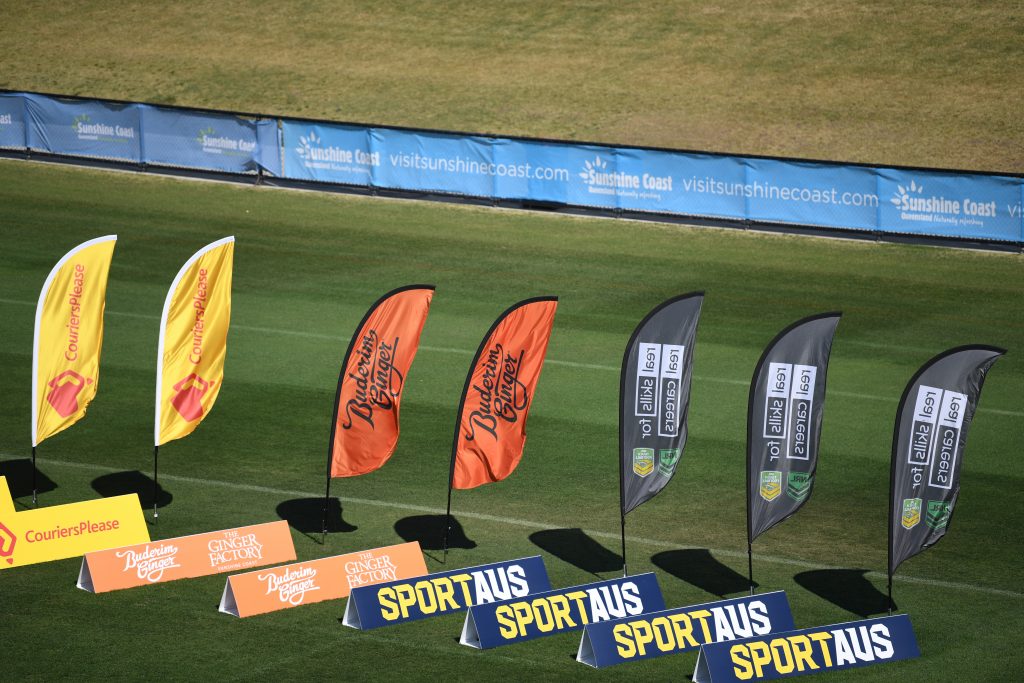
Every sign tells a story. Whether it guides, informs, or inspires, signage is the silent representative of your brand, working every hour of the day to communicate who you are and what you stand for. The creation of effective signage involves far more than printing a logo and fixing it to a wall. It is a carefully structured journey that moves through creative design, technical precision, and expert craftsmanship before the final product takes its place in the real world.
When you understand the custom signage process from concept to completion, you gain clarity on how every stage contributes to a seamless result. Each decision, from the first consultation to the final installation, influences how your audience perceives your message. Knowing what goes into the process also helps you collaborate more confidently with signage professionals, ensuring your investment reflects your brand in the best possible way.
Understanding the Purpose of Custom Signage
Custom signage differs from standard or off-the-shelf options because it is built around your unique brand identity and communication goals. Instead of relying on generic templates, every element, from size and shape to materials and lighting, is developed specifically for your environment and audience.
The purpose of signage extends beyond visual display. It acts as a touchpoint of brand experience, combining clarity, aesthetics, and function. When customers walk through your premises or approach an event, the signage shapes their first impression long before any personal interaction occurs. The use of consistent design language across exterior and interior signs also reinforces professionalism, helping customers feel confident in your reliability.
Strategically designed signage directs attention, supports wayfinding, and enhances engagement. In retail, it influences buying behaviour by highlighting offers or zones. In public spaces, it aids navigation through clear visual cues. In corporate environments, it conveys authority and identity. By tailoring signage to your purpose and setting, you ensure that each display contributes effectively to your brand narrative.
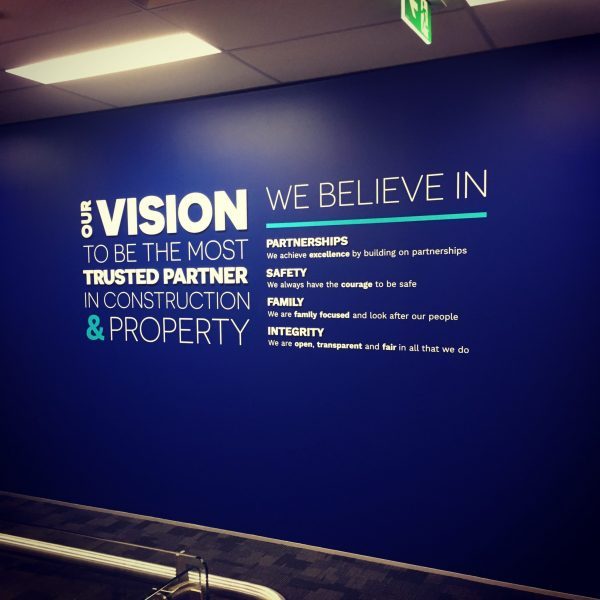
Stage 1: Consultation and Discovery
The custom signage process begins with discovery. This is the stage where ideas are explored, objectives are clarified, and requirements are defined. Communication between client and signage specialist sets the foundation for everything that follows.
During consultation, you discuss the purpose of the sign, the intended audience, and the context in which it will appear. A site inspection may follow, allowing professionals to evaluate environmental factors such as lighting, traffic flow, and available space. The consultation also addresses regulatory aspects like local council approvals, safety standards, and accessibility requirements.
Visual references, colour palettes, and existing brand guidelines help align design direction. At this stage, you may also review different signage types to determine what best suits your goals. Whether you need illuminated outdoor signs, window graphics, freestanding structures, or interior wayfinding systems, the consultation ensures that the final concept aligns with both function and aesthetic intent.
The discovery process is also about expectation management. Discussing timelines, budgets, and installation constraints early on helps prevent delays later. By sharing your ideas openly, you give designers and fabricators the insight needed to create a concept that is both visually striking and technically feasible.
Stage 2: Design and Concept Development
Once objectives are clear, the design phase transforms discussion into visual possibility. This is where the creative and technical aspects of signage come together. A professional designer considers brand identity, legibility, colour psychology, material suitability, and placement to develop a concept that aligns with both your goals and environmental conditions.
Design begins with sketches and digital mock-ups that illustrate how your signage might appear in its final setting. This visualisation helps you understand proportion, contrast, and impact. It also allows adjustments before production begins, avoiding costly revisions later.
The design process considers how the signage will be experienced from different viewpoints. Outdoor signage must remain legible from a distance, while interior signage benefits from detail and texture. Font choice, spacing, and illumination are also fine-tuned for readability and consistency.
Colour plays a critical role. High-contrast combinations improve visibility, while tone alignment with brand colours strengthens recognition. Designers often use colour calibration systems to ensure that what you see on screen matches the printed result.
At this stage, design merges creativity with practicality. A beautiful concept is valuable only when it functions well in its environment. Balancing innovation with readability, durability, and compliance ensures that the concept will perform as intended in the real world.
Stage 3: Material Selection and Technical Planning
Materials bring the design to life. Selecting the right materials involves considering location, lighting, weather exposure, and desired lifespan. Each material carries its own benefits and limitations, influencing how the sign looks, feels, and performs over time.
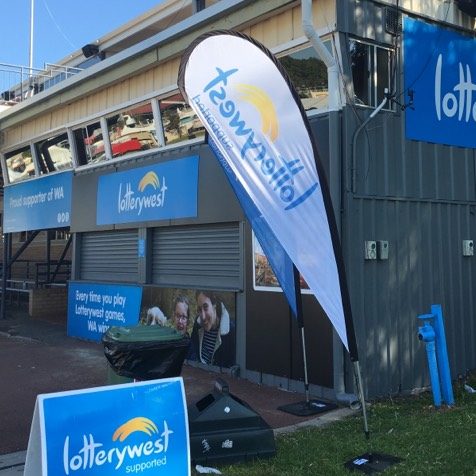
For exterior signage, durability and weather resistance are priorities. Aluminium, stainless steel, and powder-coated finishes offer resilience against rust and corrosion. Acrylic and polycarbonate panels provide smooth, glossy surfaces suitable for illuminated displays. Vinyl, mesh, and composite boards are popular for banners and temporary installations due to their flexibility and lightweight properties.
Indoor signage focuses more on aesthetics and texture. Timber panels, frosted glass, brushed metals, and high-quality printed films create depth and sophistication. Environmental factors such as humidity, temperature, and sunlight exposure still influence choices, particularly in semi-outdoor spaces.
Technical planning at this stage determines mounting systems, electrical connections for lighting, and structural integrity. Engineers may assess load-bearing capacity for larger installations or ensure safe attachment points for suspended signs. Fire safety standards and accessibility regulations are also reviewed to confirm compliance.
Material selection directly impacts cost and maintenance requirements. By weighing these factors early in the process, you ensure that your signage achieves the desired visual effect while remaining practical for long-term use.
Stage 4: Fabrication and Production
Once materials and design are approved, fabrication begins. This stage combines craftsmanship, technology, and precision to transform the concept into a tangible product. Modern fabrication facilities use advanced tools such as CNC routers, laser cutters, digital printers, and plotters to ensure accuracy in every detail.
The process often starts with cutting raw materials to specification, followed by printing or engraving logos, text, and imagery. For illuminated signs, electrical wiring and LED modules are integrated during assembly. Structural elements are reinforced for stability, and surface finishes are applied to protect against wear and fading.
Quality control is essential throughout production. Every piece is inspected for consistency in colour, dimension, and finish. Alignment checks and stress tests confirm that components will perform as expected once installed. In complex projects, partial assemblies are sometimes pre-fitted in the workshop to verify that all elements connect correctly before delivery.
Sustainability is becoming increasingly important in signage fabrication. Many producers now use eco-friendly inks, energy-efficient equipment, and recyclable materials to minimise environmental impact. Precision manufacturing not only improves quality but also reduces waste by maximising material efficiency.
Fabrication represents the technical heart of the custom signage process. It bridges creativity and reality, converting vision into structure through skill, precision, and attention to detail.
Stage 5: Installation and Site Preparation
The success of signage depends as much on its installation as on its design and production. Even the most beautifully made sign can fail to impress if poorly positioned or insecurely mounted. Installation is the point where planning meets practical execution.
Before installation begins, the site is prepared to ensure safety and accuracy. This may include surface cleaning, electrical checks, or marking alignment points. For outdoor installations, weather conditions are considered, particularly when lifting or securing large structures.
Professional installers handle various types of mounting systems depending on the project’s scale. Smaller signs may use adhesive or bracket systems, while large or elevated signage requires frames, anchors, or supports fixed directly to walls or ground structures. Electrical work for illuminated signs is conducted according to safety codes, with waterproof connections and secure wiring.
Alignment and spacing are carefully measured to maintain balance and proportion. Once the sign is in position, testing ensures all lighting and digital components function properly. Any protective films or coverings are removed, and the installation team performs a final inspection for imperfections.
Proper installation not only enhances the visual presentation but also affects longevity. A correctly installed sign withstands environmental stress and maintains its intended appearance over time, ensuring that your investment delivers value year after year.
Stage 6: Maintenance, Care, and Longevity
After installation, regular maintenance keeps your signage performing at its best. Over time, exposure to sunlight, pollution, and weather can affect colours, surfaces, and fixings. Routine cleaning and inspection prevent minor issues from becoming major repairs.
Cleaning methods depend on material type. Acrylic and glass benefit from soft cloth cleaning with non-abrasive solutions. Metal surfaces may need polishing to maintain lustre, while printed vinyl should be gently washed to avoid damaging the ink. For illuminated signs, periodic checks ensure that lights, transformers, and wiring remain in good condition.
Maintenance schedules vary by environment. Coastal areas with salt exposure require more frequent care, while indoor signage generally endures with minimal upkeep. Keeping a record of maintenance helps identify wear patterns and plan timely refurbishments.
When signs do reach the end of their lifespan, refurbishment or replacement can restore appearance without starting from scratch. Updating graphics or finishes refreshes the design, maintaining brand consistency while reducing waste.
Through proactive care, you extend both the functional and visual life of your signage, protecting the investment made during design and fabrication.
Stage 7: Evaluating Signage Performance
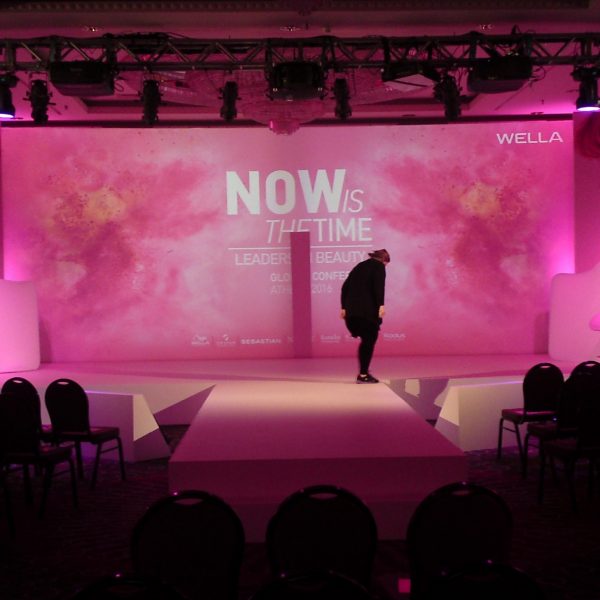
The completion of installation does not mark the end of the signage process. Measuring performance helps determine how well your sign achieves its intended goals. Evaluation combines observation, customer feedback, and sometimes data analytics to assess visibility, engagement, and brand recognition.
For retail and commercial signage, metrics might include increased foot traffic, improved wayfinding efficiency, or higher customer recall. For corporate environments, staff and visitor feedback provide insights into clarity and perception.
Site visits after installation can reveal how real-world conditions affect performance. Lighting angles, weathering, or surrounding construction might alter visibility over time. Adjusting positioning or adding complementary signage can enhance effectiveness.
This review process also contributes to continuous improvement. Insights gained from one project inform better decisions in future signage designs. In this way, evaluation becomes an integral part of brand development, ensuring that each new project builds on past success.
Working with Signage Specialists
Behind every successful signage project stands a team of specialists. From designers and engineers to fabricators and installers, each contributes expertise to ensure quality and precision. Working with professionals who understand both the creative and technical sides of signage guarantees smoother communication and fewer complications.
Collaboration is key. Designers need accurate measurements and site details to ensure their concepts translate into feasible structures. Fabricators rely on clear design specifications to produce accurate components. Installers depend on detailed plans to align and secure signage correctly. When communication flows effectively, the process moves efficiently from stage to stage without error or delay.
Experienced signage specialists also guide compliance with Australian standards, including safety codes, building regulations, and accessibility guidelines. Their understanding of local environments ensures that materials and finishes are suited to conditions such as heat, humidity, and coastal exposure.
Choosing to work with a knowledgeable signage partner brings reassurance that your project is managed responsibly from concept to completion.
The Enduring Impact of a Well-Executed Signage Project
Custom signage represents more than decoration; it is an expression of identity and trust. Every detail, from the curve of a letter to the sheen of a finish, contributes to how your brand is perceived. A well-executed signage project reflects professionalism, confidence, and care.
When the process is followed with precision, from consultation to evaluation, the result is signage that endures both physically and symbolically. It continues to communicate long after installation, maintaining its purpose through clarity, design integrity, and structural strength.
Businesses and organisations that invest in custom signage invest in their long-term visibility. Unlike digital advertising, which disappears with each campaign, well-designed signage remains a consistent ambassador, reinforcing brand recognition daily.
Understanding the custom signage process allows you to appreciate the craftsmanship and collaboration behind every successful project. Each stage, though distinct, connects seamlessly to the next, forming a complete cycle of creativity, technology, and skill.
At All Flags & Signs, this understanding is part of every project approach. Each element, from material choice to finishing, reflects expertise in crafting signage that meets Australian standards and environmental demands. The combination of thoughtful design, technical accuracy, and precise fabrication ensures that every sign not only looks exceptional but stands the test of time.