Choosing the right materials for your event signage can feel like a big decision, and honestly, it is. You want your message to look good, last through the event, and not break the bank. We’re going to look at the popular choices, mainly vinyl and fabric, and help you figure out which one is best for your needs. It’s all about understanding what each material can do for you.
Key Takeaways
Vinyl is tough, good for outdoors, and usually cheaper, making it a solid choice for busy spots or when you’re watching your budget.
Fabric offers a classier look without glare, is lighter for easy transport, and resists wrinkles, perfect for indoor events and trade shows.
Consider where your sign will be – indoors or outdoors – as this heavily impacts how well a material will hold up.
Think about how often you’ll use the sign; frequent use means you’ll need something more durable, whether it’s a heavy-duty vinyl or a good quality fabric.
Budget and sustainability are also important factors. Recycled fabrics and PVC-free options are becoming more common if you’re aiming for eco-friendly event signage materials.
Understanding Your Event Signage Materials
Choosing the right material for your event signage is a bit like picking the right tool for a job – you wouldn’t use a hammer to screw in a lightbulb, right? Well, the same applies here. Your signage needs to look good, last the distance, and fit your budget. Two of the most common players in the event signage game are vinyl and fabric. They both have their strengths, and understanding these can save you a headache (and some cash) down the track.
The Enduring Appeal of Vinyl Banners
Vinyl has been a go-to for banners for ages, and for good reason. It’s tough. Think of it as the workhorse of the signage world. It holds up well against the elements, which makes it a solid choice if your event is outdoors or in a busy, high-traffic area where it might get bumped around a bit. Plus, it’s generally more budget-friendly, which is always a plus when you’re planning an event.
Durability: Vinyl is pretty resistant to tears, water, and UV rays. This means it can handle a bit of rough and tumble and won’t fade too quickly in the sun.
Cost-effectiveness: For many applications, vinyl offers a great bang for your buck, especially if you need something that will last.
Versatility: It can be used for a wide range of indoor and outdoor applications.
However, vinyl can sometimes have a bit of a glare, especially under bright lights, which might not be ideal for photography. It also needs to be rolled carefully for storage to avoid creases, and those creases can be a pain to get out.
The Premium Qualities of Fabric Signage
Fabric, usually a polyester blend, brings a different vibe to the table. It often feels a bit more premium. The biggest win with fabric is its finish – it’s typically matte, meaning no annoying glare, which is fantastic if you’re planning on taking photos or videos at your event. It’s also lighter than vinyl, making it easier to transport and set up, especially if you’re moving between different locations or have a lot of signage to manage.
Aesthetics: Fabric offers a sophisticated, non-glare finish that looks great in photos and under event lighting.
Portability: Being lightweight, fabric banners are much easier to carry, fold, and store without damage.
Wrinkle Resistance: While not completely immune, fabric tends to resist wrinkles better than vinyl, and any creases often relax out on their own when the banner is tensioned.
Fabric signage can be a bit more of an investment upfront compared to vinyl. While it’s great for indoor use, standard fabric might not hold up as well outdoors against harsh weather unless it’s specifically treated or designed for such conditions.
Key Differences for Informed Decisions
So, how do you decide? It really comes down to what you need your signage to do. Here’s a quick rundown of the main differences:
Feature
Vinyl (PVC)
Fabric (Polyester)
Appearance
Good; potential for glare; can show wear
Premium; matte finish (no glare); elegant texture
Durability
Very High (Tear/Scratch/Water Resistant)
Good (Wrinkle Resistant); Less resistant
Portability
Heavier; must be rolled for storage
Lighter; often foldable, more compact
Outdoor Use
Yes (Good Weather/UV Resistance)
Generally No (unless specifically treated)
Wrinkle Resistance
Can crease if folded; generally low
High; creases often relax when tensioned
Cost
Lower
Higher
Best For
Frequent handling, outdoor use, budget focus
Premium indoor settings, trade shows, portability
Think about where your sign will be displayed (indoors or outdoors?), how often you’ll use it, and what kind of impression you want to make. If you need something super tough for a long-term outdoor display and budget is tight, vinyl is likely your winner. If you’re aiming for a polished, professional look at an indoor trade show and need something easy to transport, fabric might be the better bet. Making this choice early on will help ensure your event signage looks fantastic and serves its purpose effectively.
Exploring the Versatility of Vinyl Event Signage
When you’re planning an event, getting your message out there clearly and effectively is key. Vinyl signage has long been a go-to material for event professionals, and for good reason. It’s tough, it’s adaptable, and it can really make your brand pop.
Why Vinyl Dominates Banner Stand Graphics
Vinyl, often made from PVC, is a popular choice for banner stands because it ticks a lot of boxes. It’s known for being really durable, which means it can handle being set up and taken down multiple times without falling apart. Plus, it’s water-resistant, so a bit of rain at an outdoor event isn’t going to ruin your display. This resilience makes it a reliable option for busy event environments. It also prints beautifully, giving you sharp, vibrant graphics that catch the eye. For many standard banner stands, especially the retractable kind, vinyl is often the default material because it hangs well and provides a solid, opaque surface.
Common Vinyl Constructions and Their Properties
Not all vinyl is created equal, and understanding the different types can help you pick the best one for your needs. Here’s a quick rundown:
Scrim Vinyl: This is the most common type. It’s a woven polyester fabric coated with PVC. The ‘scrim’ refers to the woven material inside, which gives it strength. The higher the scrim count, the stronger the vinyl.
Blockout Vinyl: This is a type of scrim vinyl that has an extra layer in the middle. This layer stops light from passing through, so you don’t get that annoying show-through effect where the image on the back can be seen from the front, or where light makes the colours look washed out. It’s great for double-sided banners or when you need your graphics to be super vibrant.
Mesh Vinyl: This vinyl has tiny holes, like a fine net. It’s fantastic for large outdoor banners because the wind can pass through it, reducing the strain on the banner and the structure it’s attached to. It’s also good for reducing glare.
Best Applications for Vinyl Signage
Given its strengths, vinyl signage is a solid choice for a variety of event scenarios. You’ll often see it used for:
Outdoor Events: Festivals, markets, sporting events, and any outdoor promotion benefit from vinyl’s weather resistance. It can stand up to sun, wind, and rain.
Trade Show Booths: For banner stands and backdrops that need to be durable and look professional, vinyl is a dependable option. Its ability to be cleaned easily is a bonus in high-traffic areas.
Retail Promotions:Temporary signage for sales, new product launches, or in-store directional signs often use vinyl because it’s cost-effective and impactful.
Construction Site Signage: Temporary banners on construction sites use vinyl for its toughness and ability to display important information or branding for extended periods.
Discovering the Advantages of Fabric Event Signage
Achieving Opacity and Brilliance with Fabric
When you’re aiming for a truly premium look and feel at your event, fabric signage, particularly polyester, really shines. It’s known for its ability to produce incredibly vibrant colours. This is often thanks to a printing process called dye sublimation, which essentially infuses the ink deep into the fabric fibres. The result? Graphics that pop with amazing clarity and depth, making intricate designs and high-resolution images look fantastic. This makes fabric a top choice when visual impact is paramount.
While standard polyester can sometimes be a bit see-through, especially with strong light behind it, there are ways to get full opacity. You can opt for specific fabric types designed to block light, or use a special liner. This ensures your message is clear and bold, no matter the lighting conditions.
The Benefits of Fabric for Indoor Displays
Fabric banners are a dream for indoor events like trade shows, conferences, and product launches. They’re remarkably lightweight, which makes them a breeze to transport and set up. Forget wrestling with heavy materials; fabric is easy to handle, hang, or drape. Plus, they tend to resist wrinkles much better than vinyl. This means your signage will look sharp and professional throughout the event, without needing constant fussing.
Another great point is that many fabric banners are washable. A gentle wash with mild soap and water can have them looking as good as new, which is handy for keeping them pristine for repeated use. This washability, combined with their wrinkle resistance, means you get a consistently polished presentation.
Fabric’s Suitability for Specific Display Types
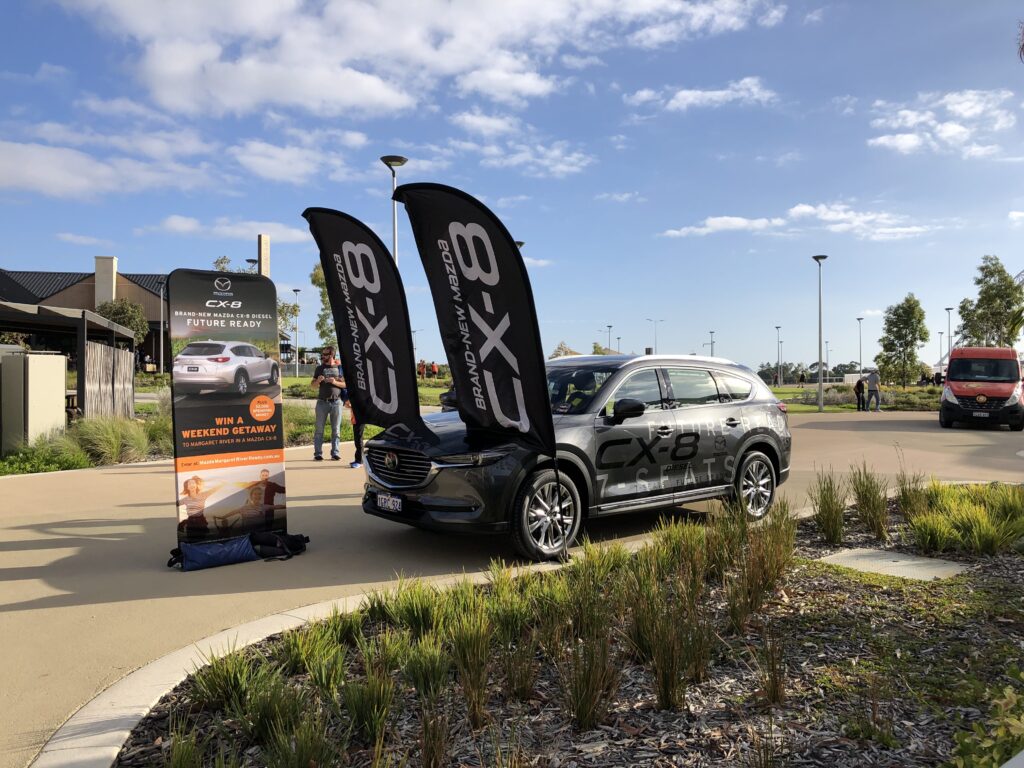
Fabric signage really comes into its own with certain types of display systems. Think tension fabric displays, where the fabric stretches taut over a frame, creating a smooth, seamless look. They’re also perfect for premium retractable banner stands and pop-up displays, where large fabric graphics can make a big statement. Step-and-repeat backdrops, often used at media events or photo opportunities, benefit hugely from fabric’s non-glare properties, ensuring your brand looks great in photos.
Here’s a quick rundown of where fabric often excels:
Trade Shows and Conferences: Lightweight, wrinkle-resistant, and visually stunning.
Retail Displays: Adds a sophisticated touch to in-store promotions.
Press Conferences and Media Events: Offers a professional, non-glare backdrop.
Indoor Product Launches: Creates a vibrant and engaging atmosphere.
Temporary Indoor Signage: Easy to store and reuse without losing its appeal.
Factors Influencing Your Event Signage Material Choice
Choosing the right material for your event signage isn’t just about looks; it’s about making sure your signs do their job effectively, no matter the circumstances. You’ve got a few key things to think about that will steer you towards the best choice for your specific needs.
Considering the Environment Indoor Versus Outdoor
Where will your signage be displayed? This is a big one. If your signs are heading outdoors, they’ll need to stand up to wind, rain, and sun. Heavy-duty vinyl is often a good bet here because it’s tough and can handle a bit of weather. It’s also generally easier to clean if it gets a bit grubby. Fabric, on the other hand, can be a bit more delicate outdoors unless it’s specifically treated for it. For indoor events, fabric really shines. It offers a more premium, matte finish that doesn’t glare under lights, making it perfect for trade shows or corporate events where you want a sophisticated look. Plus, fabric is usually lighter, which makes it easier to transport and set up if you’re moving between different indoor venues.
The Impact of Lighting Conditions on Material Selection
Think about the lighting where your signs will be. If you’re in a venue with bright spotlights, or if there’s a lot of flash photography happening, a shiny vinyl surface can create annoying glare. This can make your message hard to read and just doesn’t look as professional. Fabric, with its natural matte finish, avoids this problem altogether. It absorbs light rather than reflecting it, so your graphics will look clear and crisp from any angle. If you’re planning to use backlit display stands, you’ll definitely need a special type of fabric designed to diffuse light evenly. Standard vinyl or regular fabric just won’t cut it for that effect.
Frequency of Use and Durability Requirements
How often will you be setting up and taking down your signs? If you’re at events every week, or even every day, you’ll want materials that can handle that kind of wear and tear. A robust vinyl or a high-quality, resilient fabric paired with sturdy hardware will last much longer. Constantly moving and setting up signs puts a lot of stress on the material and the stand. For signs that are only used once or twice a year for a specific event, you might be able to get away with a more economical option. But for frequent use, investing in durability upfront will save you money and hassle in the long run. It’s about balancing the initial cost with how long you need the sign to last and how much abuse it’s likely to take.
Making the Right Event Signage Material Decision
Aligning Material Properties with Banner Stand Types
Choosing the right material for your event signage, especially for banner stands, really comes down to matching what the material can do with what you need it to do. Think about your banner stand type first. Is it a retractable stand that you’ll be pulling up and down a lot? Or is it a more static tension fabric display? For retractable stands, you’re often handling the graphic more, so durability is key. Vinyl is tough and can handle being rolled up and down repeatedly without much fuss. Fabric, on the other hand, is lighter and less prone to creasing when stored, which is great if you’re moving it around frequently. Tension fabric displays, which often use a frame that the fabric slides over, really shine with fabric graphics. They give a really smooth, seamless look that vinyl can sometimes struggle to achieve without looking a bit stretched or creased.
Budgetary Considerations for Event Signage
Let’s be honest, budget is always a big part of the equation. Generally speaking, vinyl is often the more budget-friendly option to start with. It’s widely available and manufacturing processes are pretty streamlined, which keeps costs down. This makes it a solid choice if you’re on a tighter budget or need a lot of signs without breaking the bank. Fabric, especially high-quality polyester with vibrant dye-sublimation printing, tends to be a bit pricier upfront. However, you might find that fabric lasts longer or looks better over time, potentially saving you money in the long run if you avoid frequent replacements. It’s a bit of a trade-off between initial outlay and long-term value. You’ve got to weigh up what’s more important for your specific event and how often you’ll be using the signage.
Sustainability in Event Signage Materials
More and more, people are thinking about the environmental impact of their choices, and event signage is no different. If sustainability is a priority for your brand, you’ll want to look into options that are kinder to the planet. Many fabric options, particularly polyester, are now made from recycled materials, like rPET (recycled polyethylene terephthalate). This is a great way to reduce waste. There are also emerging PVC-free vinyl alternatives that aim to offer similar durability without the environmental concerns associated with traditional vinyl production. When you’re getting quotes, don’t be afraid to ask about the material’s origin and its environmental credentials. Making an eco-conscious choice doesn’t always mean compromising on quality or appearance anymore.
Emerging Event Signage Options
While vinyl and fabric have long been the go-to materials for event signage, the landscape is always changing. You might be wondering if there are other options out there that could suit your needs better, especially if you’re looking for something a bit different or more environmentally friendly. Let’s take a look at some of these newer or less common choices.
The Role of Mesh in Outdoor Signage
When you’ve got an event happening outdoors, especially in a windy spot, standard vinyl or fabric can sometimes be a bit of a pain. That’s where mesh signage comes in. Think of it like a very fine net. It’s designed with tiny holes that let wind pass through. This is a big deal because it means your signs are less likely to get blown over or damaged in breezy conditions. It also helps reduce the ‘sail effect’ that can pull down banner stands.
Mesh is particularly good for:
Large outdoor banners on fences or buildings.
Temporary signage at sporting events or festivals where wind is a factor.
Situations where you need to see through the sign to some extent, like for crowd control.
While it’s great for letting air through, it does mean that the image might not look as solid or vibrant as it would on a full vinyl or fabric banner, especially from a distance. The print quality is still good, but the material itself has a different look and feel.
Exploring Eco-Conscious Material Alternatives
More and more, people are thinking about the environmental impact of their event materials. If sustainability is a priority for you, there are some interesting alternatives emerging beyond traditional vinyl (which is a type of plastic) and standard polyester fabrics.
Some of these include:
Recycled Materials: You can find signage made from recycled plastics or even recycled paper-based products. These options help reduce waste and give materials a second life.
Biodegradable or Compostable Options: While still developing, some companies are exploring materials that can break down more naturally after use, reducing landfill burden.
Sustainable Inks: Even if the base material is traditional, using eco-friendly inks (like water-based or latex inks) can significantly lower the environmental footprint of your signage.
When considering these greener options, it’s always a good idea to ask your supplier about the specific certifications and the end-of-life disposal recommendations. Making an informed choice about materials can align your event’s message with a commitment to the planet.



No Comments yet!