Choosing the Right Banner Material: Vinyl or Fabric
You’re planning an event. You need signage. You’ve got two main options in front of you: vinyl or fabric. Each performs differently. Each suits different jobs. Get the choice right and your signage looks sharp, lasts through the event, and doesn’t waste money. Get it wrong and you’re buying replacement banners or dealing with graphics that underperform when it counts.
All Flags has worked with both materials across thousands of events. Here’s what matters when you’re deciding which one to use.
Vinyl: The Workhorse
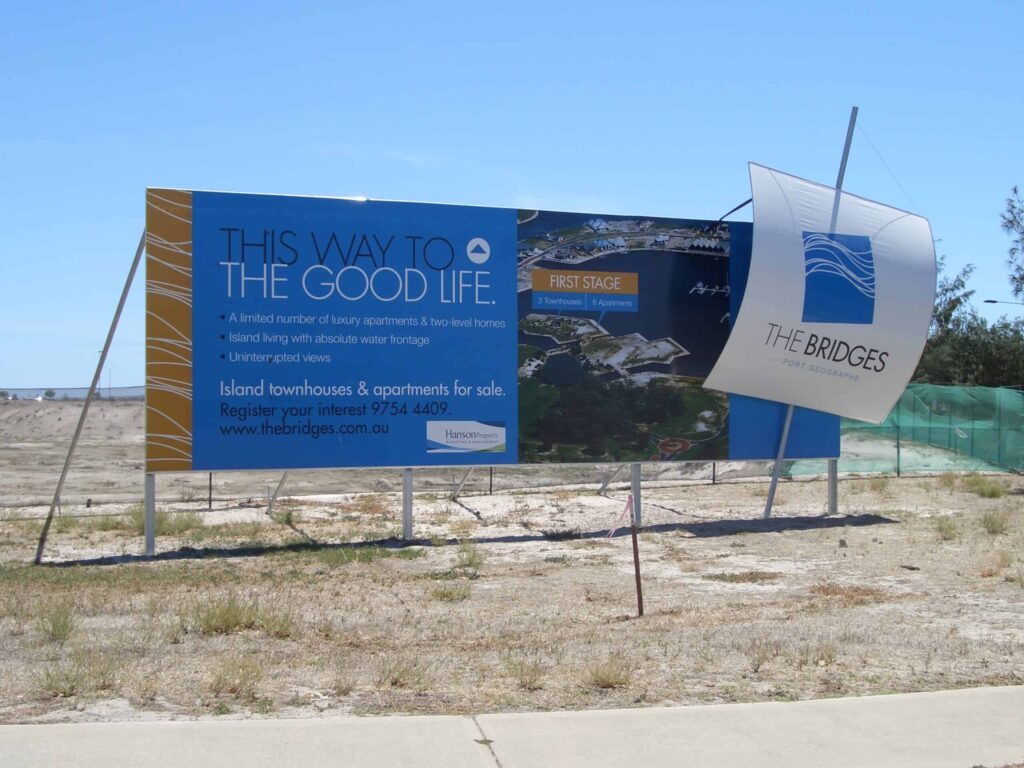
Vinyl is tough. It’s been the standard for event signage for years because it performs where it needs to. Think of it as the material you reach for when durability is the priority.
Fabric: The Premium Option
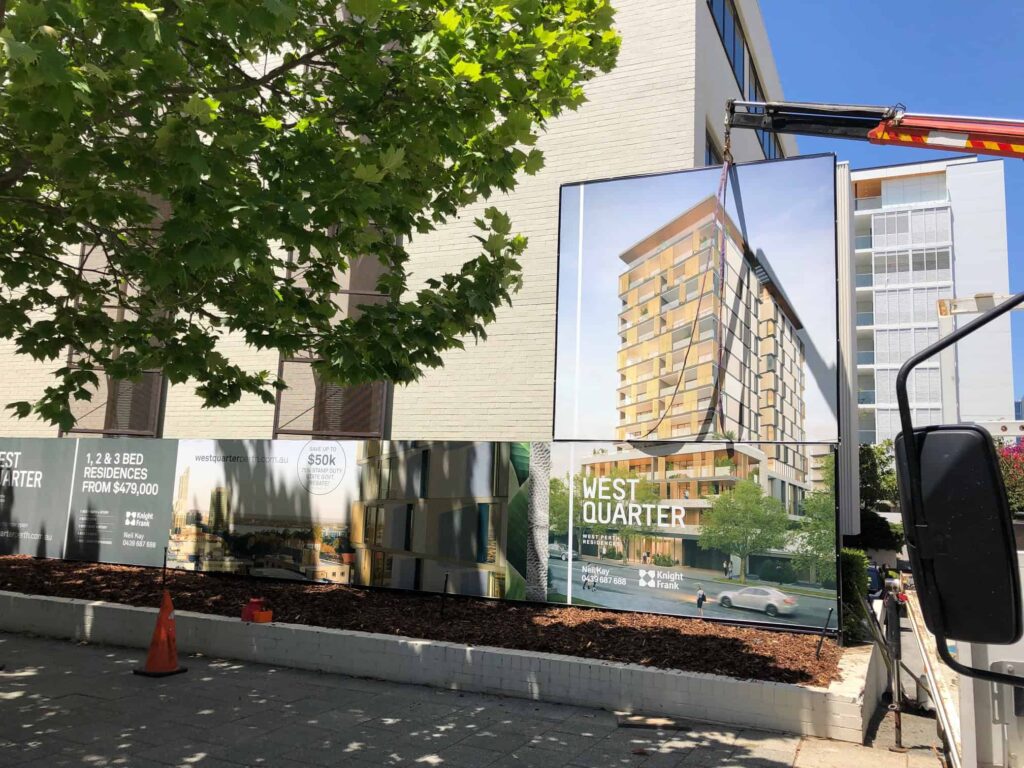
Fabric, usually polyester, brings a different approach. It feels more premium. It photographs better. It’s lighter to handle.
How to Decide
Ask yourself three questions before choosing.
Outdoors in sun and wind, or indoors in a controlled environment? Outdoor exposure favours vinyl because it handles weather. Indoor events favour fabric because it photographs better and looks more premium.
Weekly event attendance or multiple events per season demands durable material. Vinyl or high-quality treated fabric will last. One-off events might work with more economical options.
Budget-focused and practical? Vinyl communicates that. Premium and sophisticated? Fabric signals that. The material becomes part of your message.
Not sure which way to go?
For advice on your specific event, talk to All Flags. We’ve worked with both materials across thousands of events in Perth and across Australia.
Material Comparison
Environmental Considerations
More businesses are thinking about sustainability in their event materials. Fabric made from recycled polyester (rPET) is becoming more common and performs as well as virgin material. PVC-free vinyl alternatives are emerging, though standard vinyl still dominates because it’s proven, reliable, and cost-effective.
If sustainability matters to your brand, ask your supplier about material origin and end-of-life disposal options. Making an eco-conscious choice doesn’t mean compromising on quality or appearance anymore.
Emerging Options
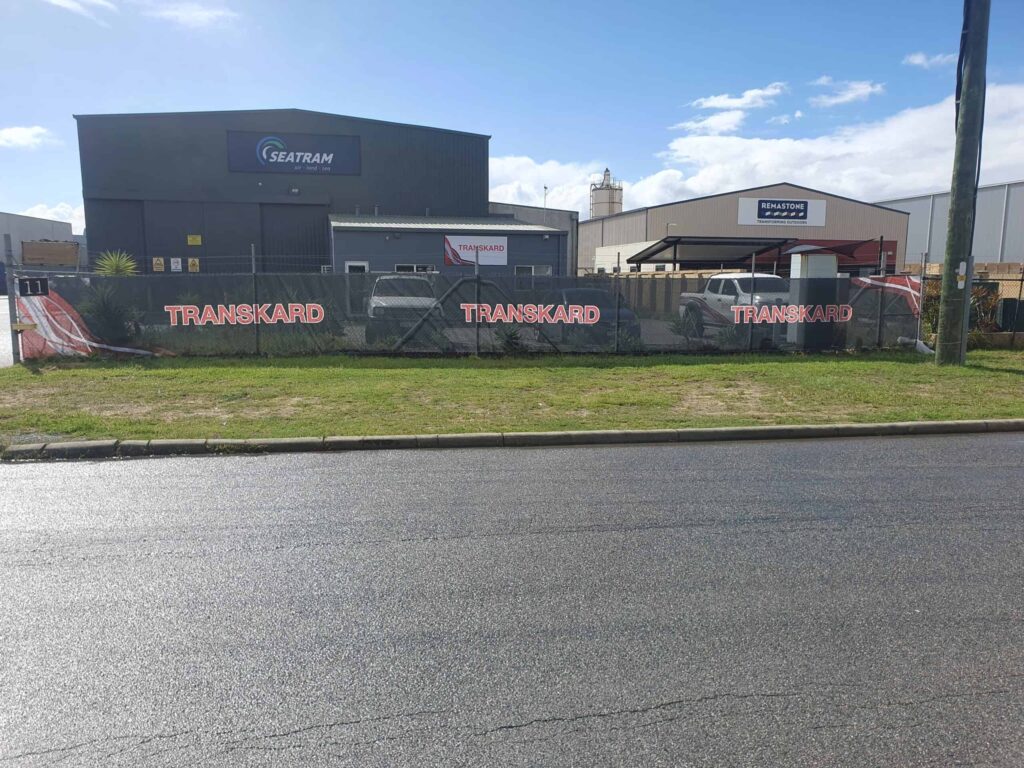
Mesh vinyl has tiny holes that let wind pass through, reducing strain on banner stands. Essential for large outdoor banners in windy locations but less suitable if you need solid, vibrant graphics.
What All Flags Recommends
For outdoor events, busy venues, tight budgets, or signage that will be handled frequently and moved between locations, vinyl is usually the right choice. It performs consistently. It lasts through multiple uses. It’s cost-effective without compromising on quality.
For indoor events, trade shows, product launches, or situations where the look matters as much as durability, fabric is usually the right choice. It photographs well in any lighting. It looks professional and intentional. It handles repeated use across multiple events without degradation.
Don’t overthink it. Consider where your signage will live, how often you’ll use it, and what impression you need to make. Those three factors will point you towards the right material for your specific situation.
Talk to All Flags
For advice on your specific event, talk to All Flags. Call us on 08 9493 5500 or email sales@www.allflags.com.au. We’ve worked with both materials across thousands of events in Perth and across Australia. We’ll help you choose the right one for your job.
Event Signage Materials Explained: From Vinyl to Fabric and Beyond
A broader look at event signage materials, formats and finishes to help you plan your next display.